Please Be Gentle With Us
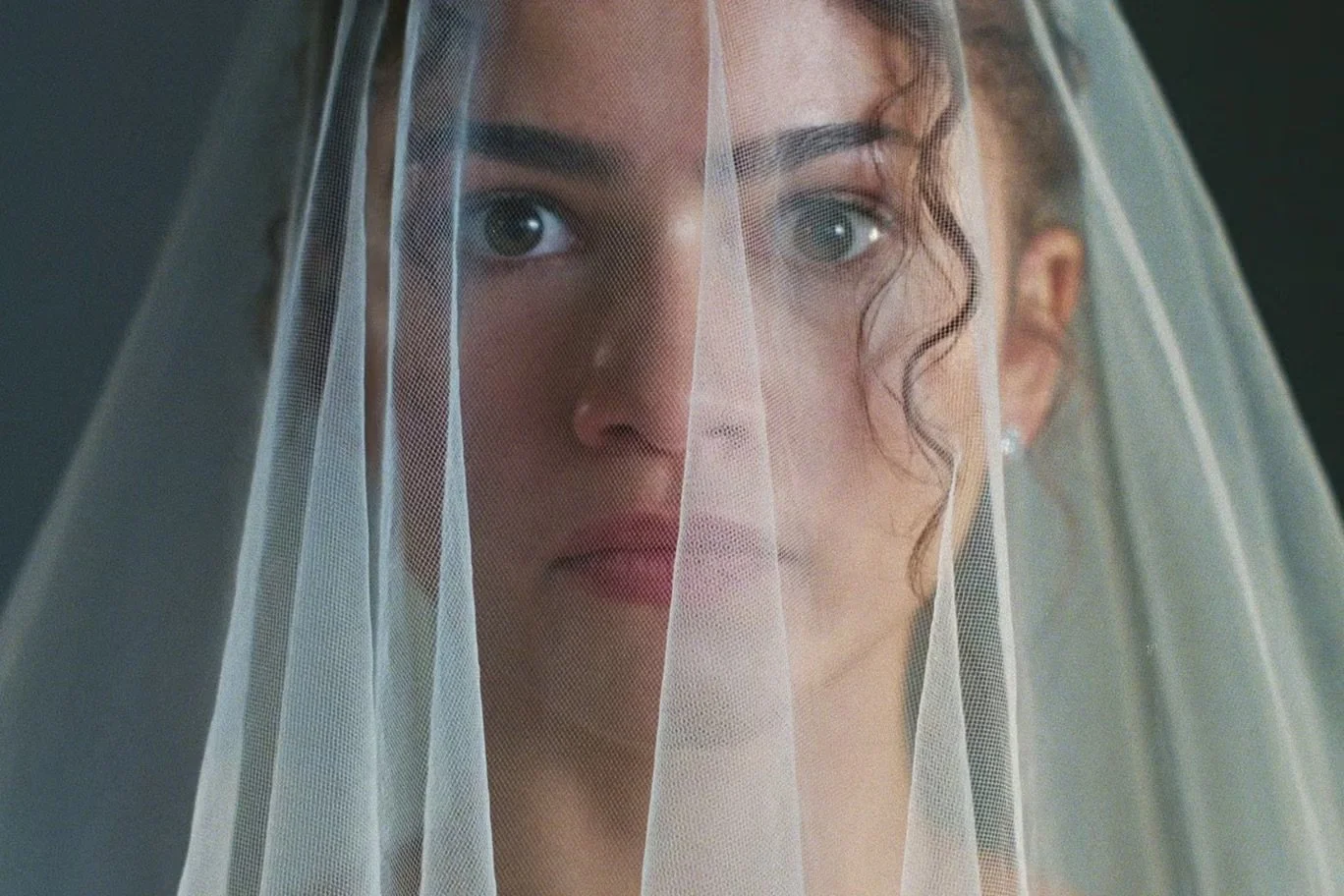
The Hollywood-ification of school shootings.
The modern day contemporary piece might be the most daunting task for any filmmaker in Hollywood right now, and the very reason is why the finest in the business stray away from capturing what is right in front of them. Who could possibly blame these artists when the images on our phones, screens, and social media so desperately run away from any sense of positivity?
It is this culmination of surveillance culture, constant exposure to violence, and a lack of individuality that may have led certain directors to take the opposite approach. Rather than scattering glimpses of our fractured society throughout their films, they attempt to show America exactly what is already in plain sight.
This desire to regain authenticity may also explain why dark comedy feels as though it is at an all time low. With the rise of social media and, in turn, the amplification of personal ego, the relationship between artist and audience has become increasingly strained. Expecting viewers to engage with art objectively while consuming it on devices filled with their own texts, images, relationships, and distractions is nearly impossible.
While this fractured engagement has contributed to a decline in media literacy, it does not erase the urgency of the issues at hand or the stance modern filmmakers take when approaching contemporary culture.
In the first week of April, the box office made history by pairing two premieres, The Drama, directed by Krisstofer Borgli, and Our Hero, Balthazar, directed by Oscar Boyson. Both films center on an analysis of school shooting culture. The phrase itself inevitably unsettles, yet under rational scrutiny, it becomes clear that portraying even humanity’s lowest moments remains fair ground when attempting to capture the present.
With films like these, an unavoidable question emerges. How do we represent the worst parts of our culture?
Borgli’s The Drama focuses on the idea of thought crimes, shifting the conversation away from the morality of action and toward the existence of the thought itself. How do we hold individuals accountable not for what they have done, but for what they have imagined? Emma, portrayed by Zendaya, stands as an antagonist who comes dangerously close to crossing that line, forcing the audience to confront a difficult question. What do we make of those who share the same thoughts as those who act on them? It is a burdening inquiry, one that ultimately reveals how comfortable Hollywood has become in using school shootings as a narrative device.
Similarly, in Our Hero, Balthazar, Boyson leans into a tone reminiscent of Ari Aster’s Eddington, crafting a chaotic and hyper online portrait of youth culture. The film follows Balthazar, portrayed by Jaden Martell, as he attempts to gain validation from his crush by advocating for stricter gun laws in a way that is deeply performative. While the film succeeds in critiquing a generation that often weaponizes political statements for social approval rather than real change, it also raises a more troubling question. How does someone become a shooter? Without any tangible answers, the repetition of this question begins to erode its own purpose, leaving me to wonder whether this trope has any place in modern cinema at this moment.
This critique does not come from a desire to silence these conversations, but rather to reframe them. The priority must remain on the victims, not on the cultural fascination surrounding the events themselves.
These concerns are further complicated by the direction of dark comedy in recent years, where millennial and Gen Z voices increasingly rely on irony and self awareness to address serious issues. Watching performers push boundaries under the guise of resisting “cancel culture” is both unsettling and reflective of a deeply polarized cultural moment.
It feeds into the familiar complaint that this generation cannot take anything seriously. Yet the irony likely stems from the hysteria and pain of the present, where humor becomes a coping mechanism. Even so, artists must eventually confront the reality that conversations, particularly around school shootings, have led to little change.
If solutions had emerged, perhaps the tone would feel different. Instead, we remain suspended in a kind of cultural purgatory, with no clear movement forward or backward.
While grappling with this dilemma, I find myself returning to Elephant by Gus Van Sant, which offers a starkly different perspective. The film portrays children as victims in every sense, navigating lives shaped by bullying, neglect, and instability. There is no aestheticization of violence. Instead, the students move through their environment with a quiet inevitability, like figures guided toward an outcome they cannot escape. The film functions as an apology to those affected and a warning to those who are not, placing its focus squarely on systemic failure rather than spectacle.
There may be no clear solution to critiquing art, just as there is no easy solution to the crisis itself, but that does not give artists the right to turn pain into material before anything has changed. Do not pretend that dressing tragedy in irony is insight, or that repackaging devastation for an audience amounts to anything resembling progress.
At a certain point, this is not reflection, it is indulgence, a way of engaging with horror at a comfortable distance while real lives remain untouched by any of it. If the work cannot move beyond that, then it is not challenging the culture, it is feeding off of it, circling the same violence with nothing to offer but tone and self awareness. And do not think for a second that any of this is helping. Irony and discomfort can help shape our moral compass, but when repeated without consequence, they begin to mimic the emptiness of the “thoughts and prayers” we have been so graciously gifted over the years.
While artists continue to imagine what could have happened, we are still faced with what has happened.
There is a solution out there, but no director should think for a second that their film is a catalyst in the machine for change. When efforts have not persisted in real life, there is nothing to ironize on screen, and any attempt at cultural analysis only emphasizes the lack of power children have over their own mortality.
Cultural commentary should not result in slander, yet it is of utmost importance for directors to avoid falling into the opposite trap of praising such work without question. There is no inherent morality in filmmaking, and irony without tangible consequence offers little value. My hope remains that filmmakers will demonstrate their work is not simply a facade, and that they are willing to engage with these issues beyond the screen.
To all artists I wish you do not let your ego believe for a second that this commentary is more transformative and validating than anything we have already been forced to hear.